Alison Qiu, Elijah Sales, Grace Wang
The Ethics of Deepfake Resurrection
DSCI 305

Introduction
Deepfake technology, which uses AI to digitally impose images and voices onto source content, has advanced rapidly in recent years. One concerning potential application of this technology is bringing the deceased "back to life" through deepfake videos and audio. While this resurrection deepfake technology offers novel ways to memorialize and interact with lost loved ones, it also raises profound ethical questions around consent, emotional impact, and misuse.
Background
The Origin of Deepfakes
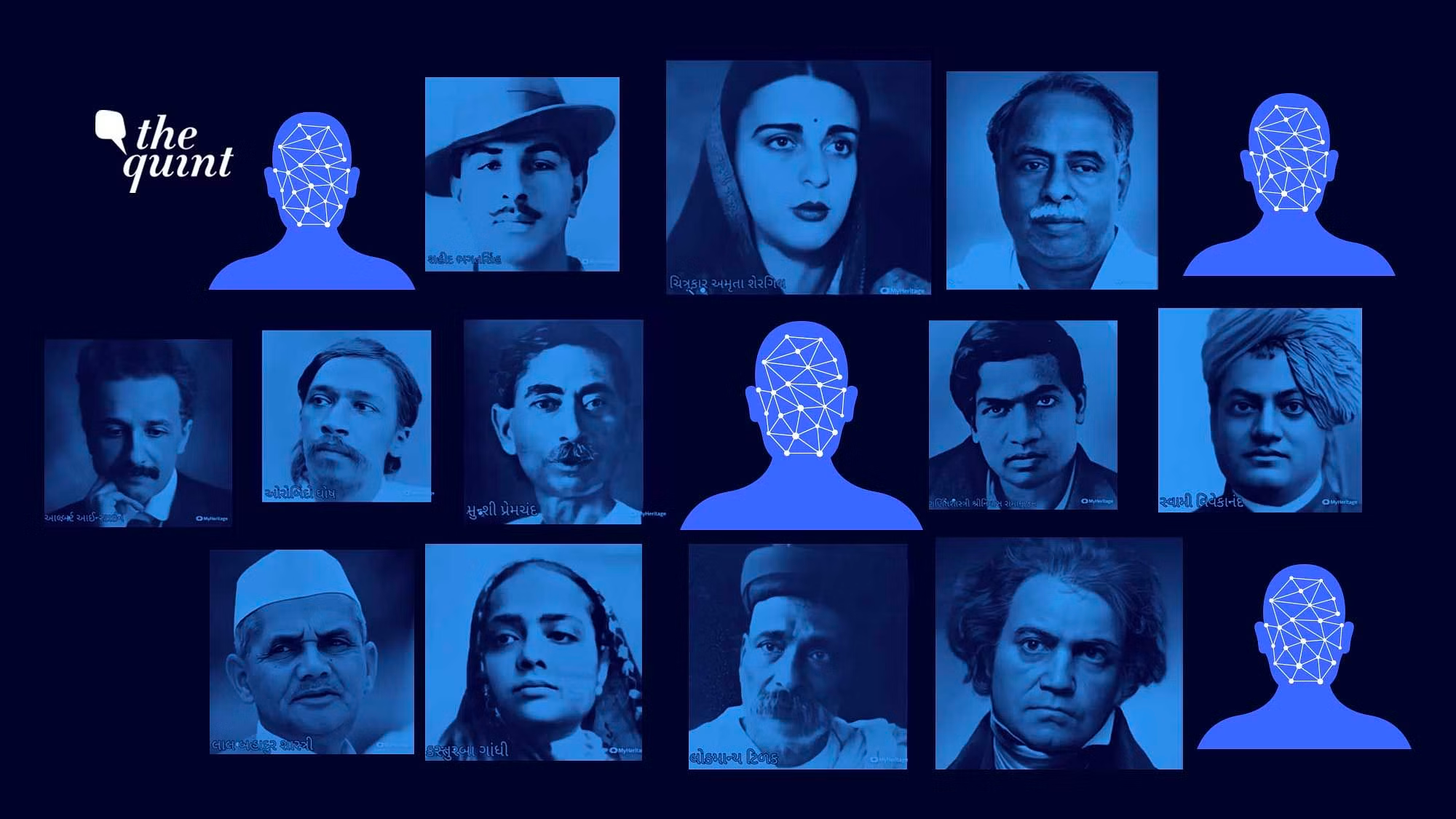
The term “deepfake” first appeared in 2017 on Reddit, where digitally-altered pornographic content had been uploaded and shared to a great extent.
While an overwhelming majority of online deepfake content is pornographic, deepfake technology has also been used to spread misinformation, especially in media and politics, as well as to depict the deceased through resurrection deepfakes.
Popular Uses

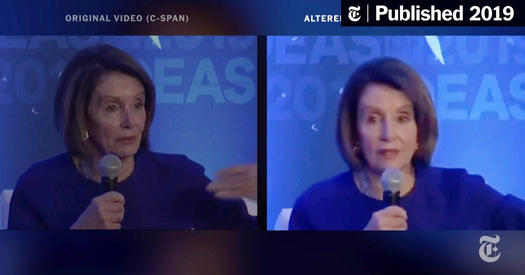
A New York Times article compares the differences between a video of Nancy Pelosi and its deepfaked counterpart .

Case Studies
Two recent cases highlight resurrection deepfakes - Kanye West gifting Kim Kardashian a deepfake hologram of her late father Robert Kardashian, and the activist group Change the Ref creating a campaign for gun control using a deepfake of the deceased student Joaquin Oliver.
Both aimed to honor the deceased, but do they do so in an ethically permissible way? We will examine the issue through three dominant ethical lenses: virtue ethics, deontology, and utilitarianism.
Robert Kardashian
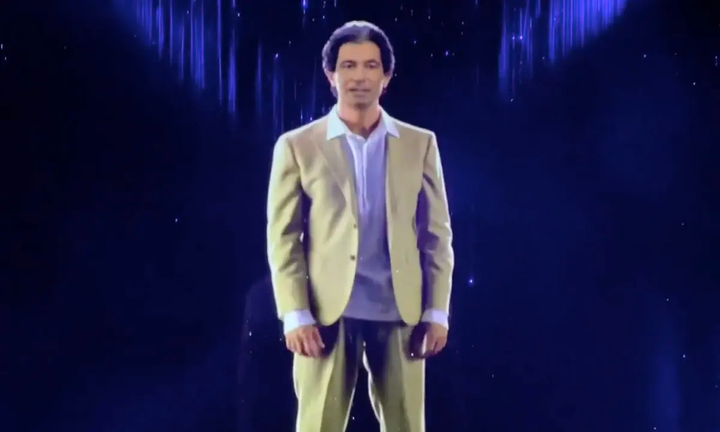
Kanye West gave Kim Kardashian a hologram of her father, Robert Kardashian, for her birthday. The hologram was a lifelike image created using deepfake technology. In the hologram, Robert Kardashian tells Kim that she is beautiful and that she married the most genius man in the world. Although the hologram was created as a gift for Kim Kardashian's birthday and was well-received by her, giving and receiving the gift of a deepfake hologram can be controversial depending on the ethical perspective one adopts.
JOaquin Oliver
In the second example, the organization Change the Ref created a deepfake video depicting the young victim Joaquin Oliver, killed in the 2018 Parkland shooting, urging viewers to vote for gun control. While well-intentioned, some argued it inappropriately put words in the mouth of someone unable to consent. Both cases illustrate the pros and cons of this technology we must untangle.
The dilemma...
Is it ethically permissible to create resurrection deepfakes?
This is a complex issue influenced by the question of consent, data ownership, creators’ motivations, and the impact of resurrection deepfakes on the living. To answer these pressing questions, let’s apply ethical frameworks.
Virtue Ethics
Intentions & Averages
Virtue ethics encourages us to examine the character of deepfake creators: What are their intentions? Do they demonstrate the golden mean in their traits?
What virtue ethics says about the case studies:
Robert Kardashian
- Key question: Was Kanye motivated by generosity and love to create the deepfake?
- Ethical, given that the gift reflects Kanye’s thoughtfulness and compassion.
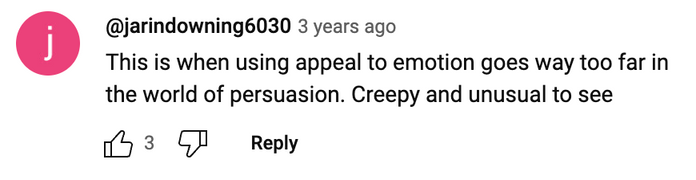
A YouTube commenter expressing their discomfort with the extremes of Change the Ref.
Joaquin Oliver
- Joaquin’s parents have political motivations to promote gun control.
- Unethical, as they are seeking justice in excess.
Deontology
Universal Rules & Privacy
Next, deontologists, guided by principles like Kantian deontology, would likely object to all resurrection deepfakes. The violation of universal rules, treating the deceased as mere means for emotional responses, and potential privacy intrusions are key concerns.
What deontology says about the case studies:
Robert Kardashian & Joaquin Oliver
- There is no underlying universal rule supporting deepfake resurrection.
- Both Joaquin and Robert were treated as means to elicit an emotional response.
- They never consented, so the deepfakes violate their personhood.
- Unethical
Utilitarianism
Weighing Happiness & Harm
What utilitarianism says about the case studies:
Robert Kardashian
- Ethical, since the joy brought to Kim might outweigh potential discomfort of other observers
Joaquin Oliver
- Ethically ambiguous, as Joaquin’s parents found empowerment in the deepfake despite emotional pain.
Lastly, utilitarians assess ethics by measuring the overall happiness or well-being generated by an action.
Note:
Utilitarianism emphasizes the importance of consequences, which the deceased cannot experience.
SOCIAL IMpact
How may high-profile resurrection deepfake case studies affect society?
Robert Kardashian
Joaquin Oliver
- Boosted resurrection deepfakes to national prominence
- Paved the way for resurrection deepfake trends in social media
- Utilized deepfake technology for prosocial causes
- Incorporated consent from loved ones
Resurrection deepfakes may also lead to great emotional harm to those most affected by the loss of the depicted individual as they complicate the grieving process. Nevertheless, research related to the social impacts of resurrection deepfakes is still very new and underdeveloped.
Conclusion
Resurrection deepfakes reanimate the deceased through the manipulation of image and voice data. Therefore, resurrection deepfakes are unethical since they commit ethical violations against the dignity and personhood of the deceased.
While incorporating consent from loved ones may popularize resurrection deepfakes, the portrayal of the deceased still poses issues that violate core ethical frameworks.